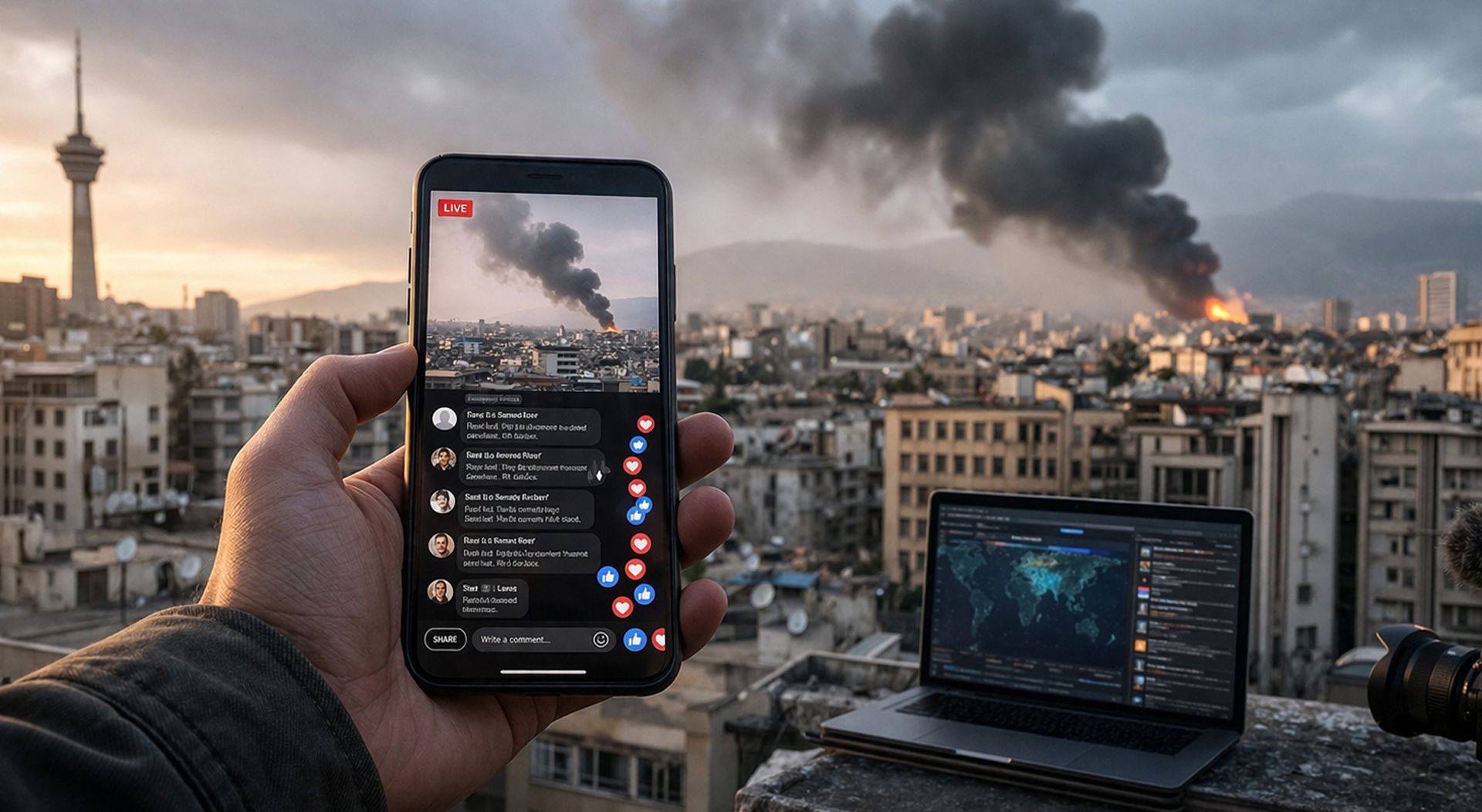
Why People Rely More on Digital Content During Conflict
During times of uncertainty, people want quick and simple explanations. They don’t want long reports or complex data. They want to understand what is happening in a clear and easy way.
This is why platforms like YouTube, social media, and blogs become more active. People look for:
- Quick news updates
- Simple explanations
- Short videos and summaries
Digital content becomes the fastest way to stay informed. It is available anytime and can be consumed in seconds.
The Shift from Traditional Media to Digital Platforms
In the past, people depended mostly on TV or newspapers. Today, things have changed. Digital platforms are now the first place people go for updates. This shift is happening because digital content is:
- Faster to publish
- Easier to understand
- Available on mobile anytime
Creators and businesses are also adapting to this change. They are producing more content to match the growing demand.
How Content Creation Is Increasing Rapidly
When more people search for information, more content gets created. This creates a cycle. Demand increases, and creators respond by publishing more. In 2026, we are seeing:
- More explainer videos
- More short-form content
- More real-time updates
Content is no longer created weekly or monthly. It is created daily, sometimes even hourly.
One Section to Remember: What’s Driving This Growth
Here are the main reasons digital communication is growing:
- People want fast and simple updates
- Global events increase search demand
- Mobile usage makes content easy to access
- Creators are publishing more frequently
Why Simple Content Is Winning
Not all content performs well. The content that works best is simple, clear, and easy to consume. People prefer:
- Short videos over long explanations
- Clear language instead of technical terms
- Quick summaries instead of detailed reports
This is why many creators are focusing on simplifying complex topics. When content is easy to understand, it reaches more people.
The Role of Audio and Voice Content
Audio is becoming an important part of digital communication. Many people prefer listening instead of reading, especially when they are busy or on the move. Audio helps in:
- Explaining topics quickly
- Making content more engaging
- Reaching users who prefer listening
More creators are now adding voice to their content, whether it is videos, tutorials, or news updates.
Where Tools Like AiVOOV Fit Naturally
As content demand increases, creators need faster ways to produce content. Recording audio manually or setting up studios can take time and effort.
This is where tools like AiVOOV become useful. Instead of recording voiceovers, creators can turn text into natural-sounding audio within minutes. This helps them:
- Create content faster
- Maintain consistency
- Produce content in multiple languages
In fast-moving situations like global conflicts, speed matters. Tools that save time help creators stay active and relevant.
The Rise of Global Content Consumption
Global events are not limited to one country. People everywhere follow the same news and look for updates.
This creates an opportunity for creators to reach a wider audience. Content can be adapted for different regions and languages, allowing it to travel further.
Creators who think globally can grow faster because their content is not limited to one audience.
Second Key Section: How Creators Can Adapt
To stay relevant in 2026, creators should focus on:
- Keeping content simple and easy to understand
- Posting consistently to match demand
- Using tools that save time and effort
- Adapting content for different formats and audiences
Global conflicts bring uncertainty, but they also change how people communicate. In 2026, digital platforms have become the main source of information for many people.
As demand for content grows, creators and businesses are finding new ways to keep up. Simplicity, speed, and accessibility are becoming more important than ever.
The future of communication is not just digital — it is fast, flexible, and global. Those who adapt to this shift will be able to reach more people and stay relevant, even in uncertain times.